Misophonia Support
When Everyday Sounds Feel Unbearable
Misophonia is a condition in which specific everyday sounds trigger intense emotional and physical reactions, such as anger, anxiety, distress, or a powerful urge to get away. It isn't a matter of being "too sensitive" or overreacting, it's a genuine neurological response that can have a significant impact on a child's daily life.
Everyday noises like chewing, sniffling, throat-clearing, ticking clocks, or repetitive pen-clicking can instantly hijack a child's nervous system. As a result, routine experiences like family dinners, school lessons, and social gatherings can quickly transform into overwhelming sources of anxiety.
RECOGNIZING THE SIGNS
Does your child react to everyday noises with intense anger, anxiety, or panic? Misophonia often shows up through recognizable patterns:
-
Immediate emotional reactions: Sudden outbursts of frustration, intense worry, or distress triggered by specific sounds.
-
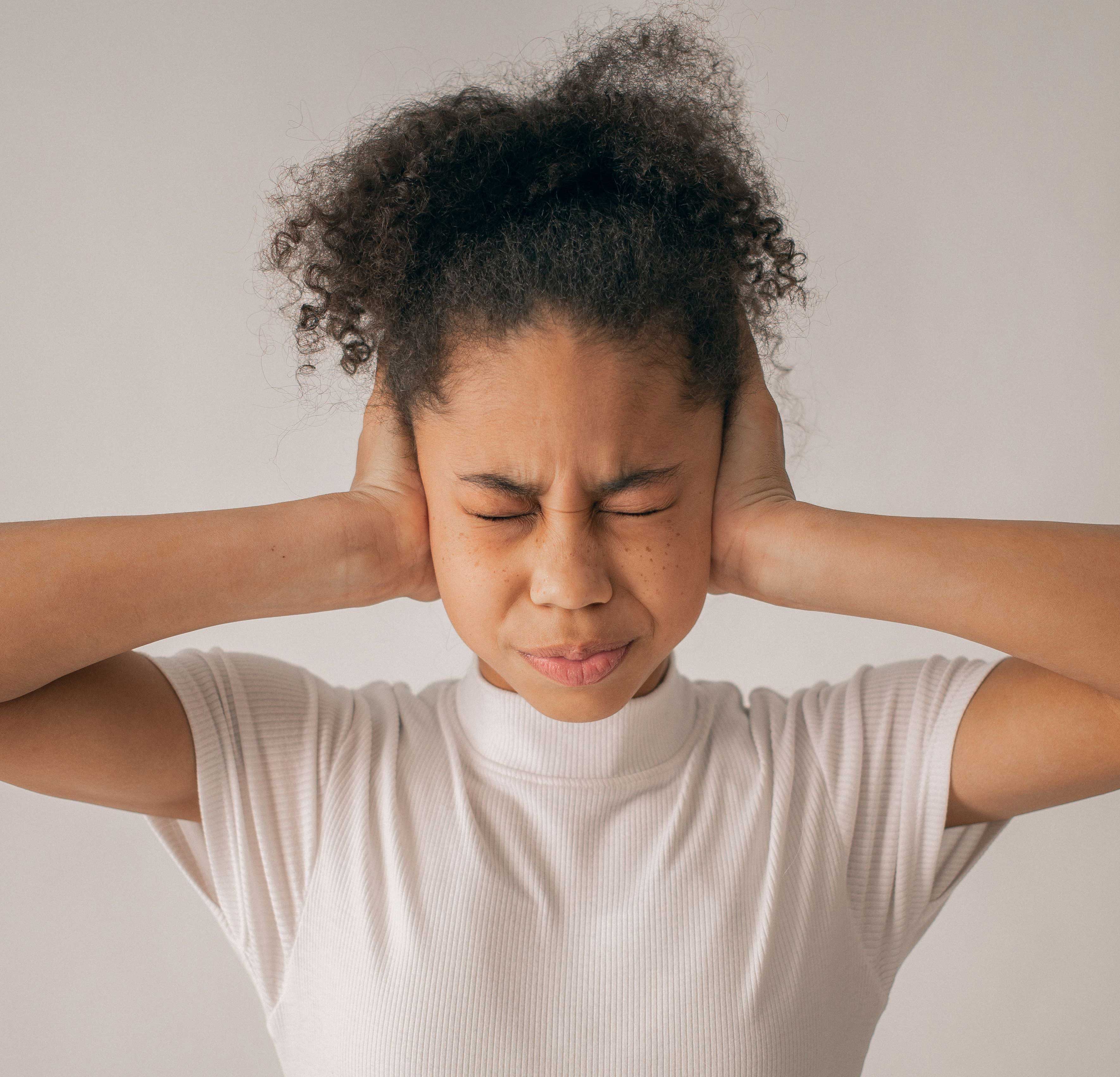
Avoidance behaviors: Skipping family meals or dreading classroom environments to avoid from potential triggers.Physical reactions: Instinctively covering their ears, fleeing the room, or lashing out to stop the noise.
-
Feeling overwhelmed: Describing ordinary sounds as painful, intolerable, or impossible to ignore.
-
A full body response: Experiencing a true "fight-or-flight" surge (racing heart, muscle tension) over sounds others barely notice.
-
Social stress: Struggling to stay focused or calm at school, family gatherings, or events with peers.
What misophonia is and what it isn't


WHAT'S NEXT?
Let us help you
There is no single cure for misophonia, but there are effective strategies to help your child manage their responses and improve their quality of life:
- Hearing and auditory processing assessment to understand how your child processes sound
- Sound therapy for gradual, controlled exposure to reduce sensitivity over time
- Ear filters and noise management tools to dampen triggering sounds
- Coping strategies including relaxation techniques, sensory breaks, and environmental modifications
- Collaboration with psychologists and occupational therapists when needed
This Understanding Changes Everything
Kids with misophonia often carry a heavy burden; feeling isolated, misunderstood, or guilty about reactions they can't control. Simply knowing that misophonia is a real, recognized condition brings immense relief to both children and their families.
Your child isn't overreacting, acting out, or being difficult. Their brain is simply wired to process these sounds differently. Their feelings are valid, you are not alone, and there are proven strategies to help your family find peace again.
Frequently Asked Questions
Is misophonia a real medical condition?
Yes. While research is still evolving, misophonia is increasingly recognized as a legitimate neurological condition. It involves atypical responses in the brain's auditory and emotional processing centres.
Can children grow out of misophonia?
Some children's symptoms change over time, but misophonia doesn't typically resolve on its own. Early intervention and coping strategies can make a significant difference in managing the condition.
Is misophonia related to auditory processing disorder?
They are different conditions, but they can co-occur. An auditory processing assessment can help determine whether processing difficulties are contributing to your child's sound sensitivity.
What can I do at home to help my child?
Creating a supportive environment is key. This might include allowing noise-cancelling headphones during meals, providing quiet spaces for breaks, avoiding punishing emotional reactions to sounds, and working with us to build a family-wide understanding of the condition.
Do you provide therapy for misophonia?
We provide assessment, sound therapy, and management strategies. For children who would benefit from cognitive behavioural therapy, we work collaboratively with psychologists who specialize in this area.